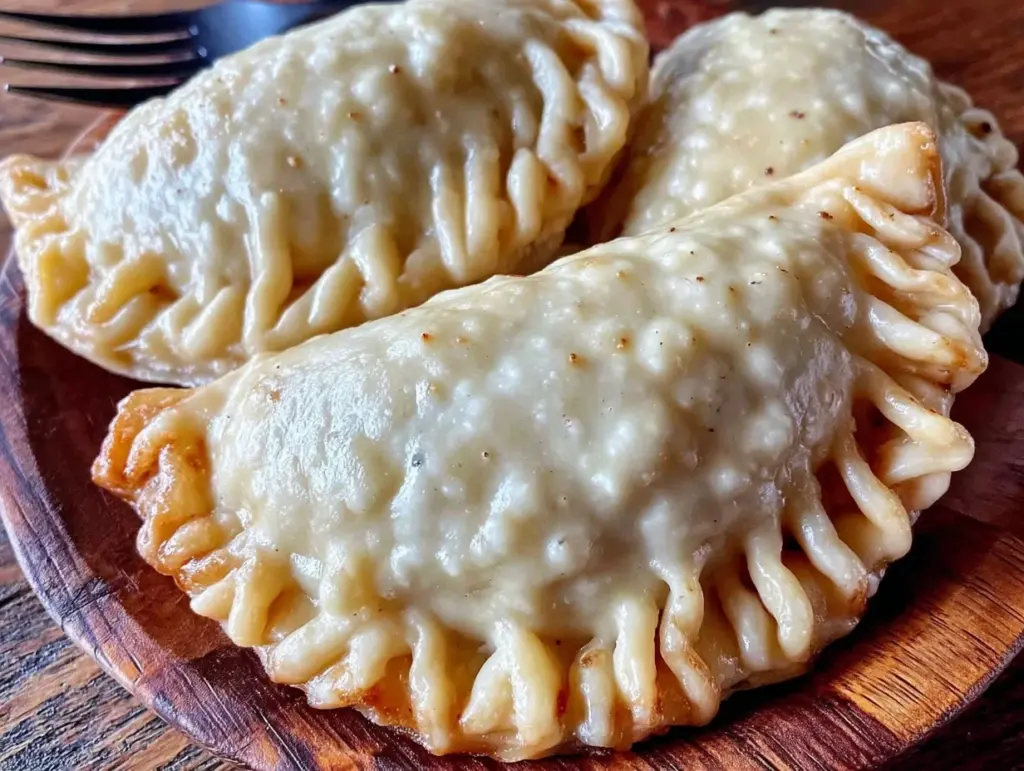
The first time I made empanadas at home, I realized just how much the dough makes or breaks the whole experience. The smell of freshly baked empanada dough, warm and flaky, instantly takes you to cozy family gatherings or vibrant street markets. Honestly, perfecting the perfect empanada dough recipe was a game-changer in my kitchen. I’ve tried a bunch of shortcuts and mixes, but nothing beats homemade dough that’s tender yet sturdy enough to hold all those delicious fillings.
What’s funny is I didn’t grow up eating empanadas, but after countless batches and tweaks, this recipe became my go-to whenever I want to impress guests or just treat myself on a quiet weekend. It’s simple, straightforward, and—trust me—you’ll get that professional bakery vibe without breaking a sweat.
Whether you’re making classic beef empanadas, sweet fruit-filled ones, or something adventurous, this empanada dough recipe is your foundation. I’ve tested it over and over, adjusting flour types, fats, and resting times until it hit that perfect balance. If you love comfort food that’s both nostalgic and versatile, this recipe is definitely worth your time.
Why You’ll Love This Recipe
- Quick & Easy: Comes together in under 30 minutes, perfect for busy weeknights or last-minute baking urges.
- Simple Ingredients: No weird additives here—just pantry staples you likely already have.
- Perfect for Any Occasion: Whether it’s a casual snack, a party appetizer, or part of a hearty meal, these empanadas always shine.
- Crowd-Pleaser: Kids, adults, picky eaters—everyone loves a flaky, buttery empanada shell.
- Unbelievably Versatile: This dough pairs well with savory or sweet fillings, and you can tweak it to suit your dietary needs.
What sets this perfect empanada dough recipe apart is the way it manages to be both tender and sturdy—no cracks, no soggy bottoms. I blend a bit of butter and oil for that ideal texture and let the dough rest just enough to relax the gluten. This isn’t your average dough; it’s the result of trial, error, and a whole lot of tasting. You’ll notice the difference from your very first bite.
Honestly, this dough makes baking empanadas as fun as eating them. It’s the kind of recipe that makes you smile after the first flaky crunch, and you’ll find yourself making it again and again without hesitation.
What Ingredients You Will Need
This perfect empanada dough recipe relies on a handful of simple ingredients that work together to create a tender, flaky shell. Most are pantry staples, and you can easily substitute a few depending on what you have on hand.
- All-purpose flour (2 ½ cups / 315g) – The backbone of our dough. I recommend King Arthur brand for consistent results.
- Salt (1 tsp) – Enhances flavor, don’t skip it.
- Unsalted butter (6 tbsp / 85g, chilled and cubed) – Adds richness and flakiness. You can swap half with vegetable shortening if you want a more tender crumb.
- Vegetable oil (3 tbsp) – Helps keep the dough pliable and tender.
- Cold water (about ¾ cup / 180ml) – The glue that brings it all together. Add gradually to avoid a sticky mess.
- Egg (1 large, beaten) – For brushing the dough before baking, gives that golden, shiny finish.
Optional but recommended:
- Vinegar or lemon juice (1 tsp) – Helps tenderize the dough slightly and adds a subtle tang.
- Milk (a splash, if needed) – If your dough feels too dry, a little milk can help without making it sticky.
Remember, the quality of your flour and butter really impacts the final texture. I’ve found that using cold butter straight from the fridge is key to flaky layers. Also, if you want a gluten-free option, try swapping all-purpose flour with a 1:1 gluten-free baking blend—the texture changes a bit, but it still works well.
Equipment Needed
- Mixing bowl: A large one to comfortably mix your dough.
- Pastry cutter or fork: To cut the butter into the flour. If you don’t have one, your fingers work fine, but beware of warming the butter too much.
- Measuring cups and spoons: Accurate measurements make a big difference here.
- Rolling pin: Essential for rolling out the dough evenly. If you don’t have one, a clean wine bottle can do the trick!
- Round cutter: About 4-5 inches (10-13 cm) diameter for cutting dough circles. A small bowl or cup can substitute.
- Baking sheet: To bake your empanadas on. Line it with parchment paper for easy cleanup.
- Pastry brush: For egg wash—optional but highly recommended for that golden crust.
Personally, I like using a silicone rolling pin because it doesn’t stick to the dough as much. Also, chilling your dough on a flat surface like a marble slab helps it stay cool while you work, which is crucial for flaky layers. If budget’s tight, many of these tools have affordable alternatives, and honestly, a bit of creativity goes a long way in the kitchen!
Preparation Method
- Mix dry ingredients: In a large bowl, whisk together 2 ½ cups (315g) all-purpose flour and 1 teaspoon salt until evenly combined. This ensures the salt is well distributed throughout the dough.
- Cut in the butter: Add 6 tablespoons (85g) of chilled, cubed unsalted butter. Using a pastry cutter or your fingers, quickly cut the butter into the flour until the mixture resembles coarse crumbs with some pea-sized pieces. Be careful not to overwork it or the butter will melt, losing that flaky texture.
- Add oil and vinegar: Stir in 3 tablespoons vegetable oil and 1 teaspoon vinegar or lemon juice. These add tenderness and flavor depth.
- Incorporate water gradually: Slowly pour about ¾ cup (180ml) of cold water, mixing gently with your hand or a spoon until the dough just comes together. If it’s too dry, add a tablespoon more water—but the dough should remain slightly crumbly, not sticky.
- Form and chill the dough: Turn the dough onto a lightly floured surface and knead it gently 3-4 times to bring it together. Shape into a flat disc, wrap in plastic wrap, and refrigerate for at least 30 minutes. This resting time is crucial—it helps relax the gluten and firms up the fat for flakier empanadas.
- Roll out the dough: After chilling, unwrap and place the dough on a floured surface. Using a rolling pin, roll it out to about 1/8 inch (3mm) thickness. Try to keep it even for consistent baking.
- Cut dough rounds: Use a 4-5 inch (10-13 cm) round cutter or the rim of a bowl to cut circles from the dough. Gather scraps, re-roll, and cut more circles as needed.
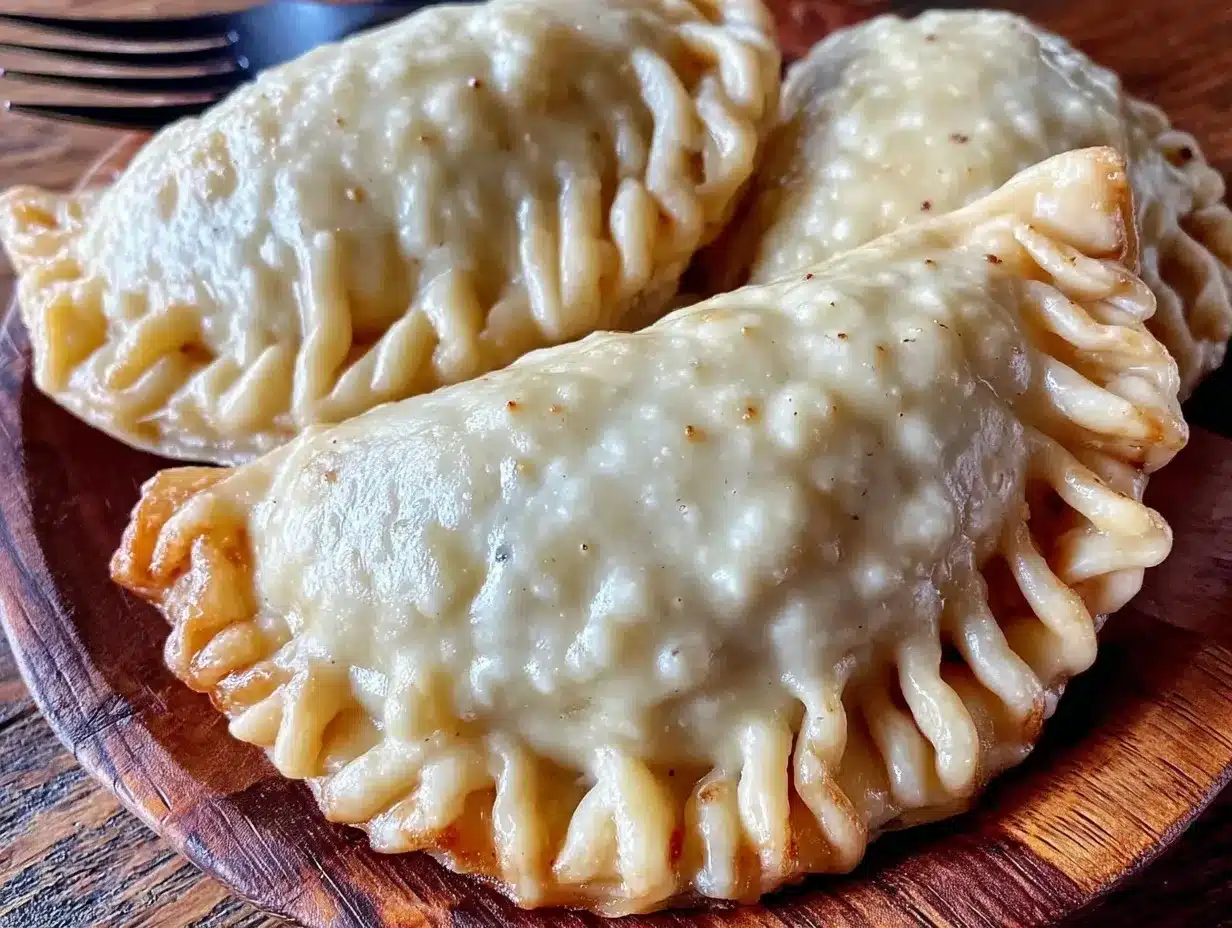
- Fill and seal: Place your desired filling (about 2 tablespoons) in the center of each dough circle. Brush the edges with a bit of water, fold dough over to form a half-moon, and press edges to seal. Crimp edges with a fork or pinch decoratively for a tighter seal.
- Egg wash and bake: Place empanadas on a parchment-lined baking sheet. Brush each with beaten egg for a glossy, golden finish. Bake in a preheated oven at 375°F (190°C) for 20-25 minutes, or until golden brown and cooked through.
If your dough cracks when folding, it’s probably too cold—let it rest a few minutes at room temperature. Also, don’t overfill the empanadas, or they might burst during baking. You’ll know the dough is ready when it feels cool, pliable, and slightly tacky but not sticky.
Cooking Tips & Techniques
One of my biggest lessons with empanada dough is patience. Rushing the chilling step almost always leads to tough or crumbly dough. Letting the dough rest properly makes rolling and shaping a breeze.
Use cold ingredients and keep your hands cool while handling the dough—warmth melts the butter and ruins that flaky texture. If your kitchen is hot, pop the dough back in the fridge between batches.
When sealing the empanadas, brushing the edges with water is the secret handshake for a tight, no-leak seal. Skip that, and you might end up with a filling explosion in your oven (been there!).
If you want extra flaky layers, try “laminating” the dough: after the first roll-out, fold it into thirds like a letter, chill for 10 minutes, then roll again before cutting. It’s a bit more work but totally worth it for special occasions.
Finally, don’t overcrowd your baking sheet—give empanadas space to puff and brown evenly. And keep an eye on them after 20 minutes; ovens vary, and you want a beautiful golden crust, not a burnt one.
Variations & Adaptations
- Gluten-Free: Swap all-purpose flour with a 1:1 gluten-free blend. The dough might be a bit more fragile, so handle gently and use a shorter chilling time.
- Whole Wheat: Replace half of the flour with whole wheat for a nuttier flavor and more fiber. Add a splash of extra water if the dough feels dry.
- Vegan-Friendly: Use coconut oil or vegan butter instead of butter, and skip the egg wash or use a plant-based milk for brushing.
- Baking vs. Frying: This dough works beautifully baked or fried. For frying, roll the dough slightly thinner and fry in hot oil until golden and crisp.
- Flavor Boost: Add herbs or spices like smoked paprika or cumin to the dough for an extra layer of flavor that complements certain fillings.
Personally, I’ve tried this dough with a sweet cinnamon-sugar filling, baking them as mini dessert empanadas—total crowd-pleasers! Experimenting with different fats, like duck fat or lard, also adds richness if you want to get fancy.
Serving & Storage Suggestions
Serve your empanadas warm, fresh out of the oven, ideally with a tangy dipping sauce like chimichurri or a spicy salsa. They make a fantastic appetizer or a main dish when paired with a crisp salad or roasted veggies.
Leftovers? No worries. Store empanadas in an airtight container in the fridge for up to 3 days. Reheat in a 350°F (175°C) oven for 10-12 minutes to bring back that flaky texture—microwaving tends to make them soggy.
If you want to prep ahead, freeze uncooked empanadas on a baking sheet until firm, then transfer to a freezer bag. Bake directly from frozen, adding a few extra minutes to the cooking time.
Flavors meld beautifully after a day, so sometimes I make them a day ahead on purpose. Just make sure to reheat properly to enjoy that perfect dough texture again.
Nutritional Information & Benefits
Each empanada (based on a 4-inch diameter, savory filling) contains approximately 180-220 calories, with 8-10 grams of fat, 20-25 grams of carbohydrates, and 4-6 grams of protein. The butter and oil contribute to the fat content, but also give that satisfying mouthfeel that makes these treats so irresistible.
Using simple ingredients means you know exactly what’s in your dough—no preservatives or hidden sugars. If you swap in whole wheat flour, you’ll boost fiber content, which helps digestion and keeps you fuller longer.
For those watching allergens, this dough contains gluten and dairy, but with easy substitutions, it can be made vegan or gluten-free without losing much in texture or taste.
From a wellness standpoint, having homemade empanada dough means less reliance on processed foods. It’s a comforting treat you can enjoy without guilt, especially when paired with fresh, wholesome fillings like veggies, lean meats, or legumes.
Conclusion
The perfect empanada dough recipe is one of those kitchen treasures you’ll return to time and again. It’s simple, forgiving, and genuinely delicious—qualities that make homemade empanadas a joy to bake and even more fun to eat. You can tweak it to your taste, dietary needs, or occasion, making it a versatile staple in your recipe box.
Honestly, I love how this dough brings people together, whether it’s a casual family dinner or a festive gathering. It’s the kind of recipe that feels like a warm hug from the inside.
If you try this recipe, I’d be thrilled to hear how it turns out! Feel free to leave a comment, share your favorite fillings, or any twists you’ve added. Happy baking and enjoy every flaky bite!
FAQs
Can I make the empanada dough ahead of time?
Yes! The dough can be prepared and refrigerated for up to 24 hours before rolling and filling. Just keep it tightly wrapped to prevent drying out.
What’s the best way to store leftover empanadas?
Store them in an airtight container in the fridge for up to 3 days. Reheat in the oven to keep the dough flaky.
Can I freeze the dough or filled empanadas?
Absolutely. Freeze dough discs or filled empanadas on a baking sheet, then transfer to freezer bags. Bake from frozen, adding a few extra minutes to the cooking time.
Why is my empanada dough tough instead of flaky?
This usually happens from overworking the dough or using warm butter. Keep ingredients cold and handle the dough gently. Also, don’t skip the chilling step!
Can I use this dough for frying empanadas?
Yes, this dough works well for frying. Roll it a bit thinner and fry in hot oil until golden and crisp.
Pin This Recipe!

Perfect Empanada Dough Recipe
- Total Time: 40 minutes
- Yield: 12-15 empanadas 1x
Description
A simple and versatile homemade empanada dough recipe that yields tender, flaky, and sturdy dough perfect for savory or sweet fillings. Easy to make with pantry staples and ideal for baking or frying.
Ingredients
- 2 ½ cups (315g) all-purpose flour
- 1 teaspoon salt
- 6 tablespoons (85g) unsalted butter, chilled and cubed
- 3 tablespoons vegetable oil
- ¾ cup (180ml) cold water, add gradually
- 1 large egg, beaten (for egg wash)
- 1 teaspoon vinegar or lemon juice (optional)
- Splash of milk (optional, if dough feels too dry)
Instructions
- In a large bowl, whisk together 2 ½ cups all-purpose flour and 1 teaspoon salt until evenly combined.
- Add 6 tablespoons chilled, cubed unsalted butter. Using a pastry cutter or fingers, cut the butter into the flour until mixture resembles coarse crumbs with some pea-sized pieces.
- Stir in 3 tablespoons vegetable oil and 1 teaspoon vinegar or lemon juice.
- Slowly pour about ¾ cup cold water, mixing gently until dough just comes together. Add more water if too dry, but dough should remain slightly crumbly, not sticky.
- Turn dough onto a lightly floured surface and knead gently 3-4 times to bring it together. Shape into a flat disc, wrap in plastic wrap, and refrigerate for at least 30 minutes.
- After chilling, unwrap and roll dough on a floured surface to about 1/8 inch (3mm) thickness.
- Use a 4-5 inch round cutter or bowl rim to cut dough circles. Gather scraps, re-roll, and cut more circles as needed.
- Place about 2 tablespoons of desired filling in the center of each dough circle. Brush edges with water, fold dough over to form a half-moon, and press edges to seal. Crimp edges with a fork or pinch decoratively.
- Place empanadas on a parchment-lined baking sheet. Brush each with beaten egg for a glossy, golden finish.
- Bake in a preheated oven at 375°F (190°C) for 20-25 minutes, or until golden brown and cooked through.
Notes
Use cold butter and keep ingredients cold to ensure flaky layers. Chill dough for at least 30 minutes before rolling. Brush edges with water to seal tightly and prevent filling leaks. Dough can be baked or fried. For extra flaky layers, fold dough into thirds after first roll, chill 10 minutes, then roll again. Dough can be made ahead and refrigerated up to 24 hours or frozen.
- Prep Time: 15 minutes
- Cook Time: 25 minutes
- Category: Main Course
- Cuisine: Latin American
Nutrition
- Serving Size: 1 empanada (4-inch d
- Calories: 200
- Sugar: 0.5
- Sodium: 200
- Fat: 9
- Saturated Fat: 5
- Carbohydrates: 23
- Fiber: 1
- Protein: 5
Keywords: empanada dough, homemade empanadas, flaky dough, easy empanada recipe, baking empanadas, savory pastry, empanada crust